
Tools & apps
Making Sense of Your Junior Golf Apps and Data
October 24, 2026
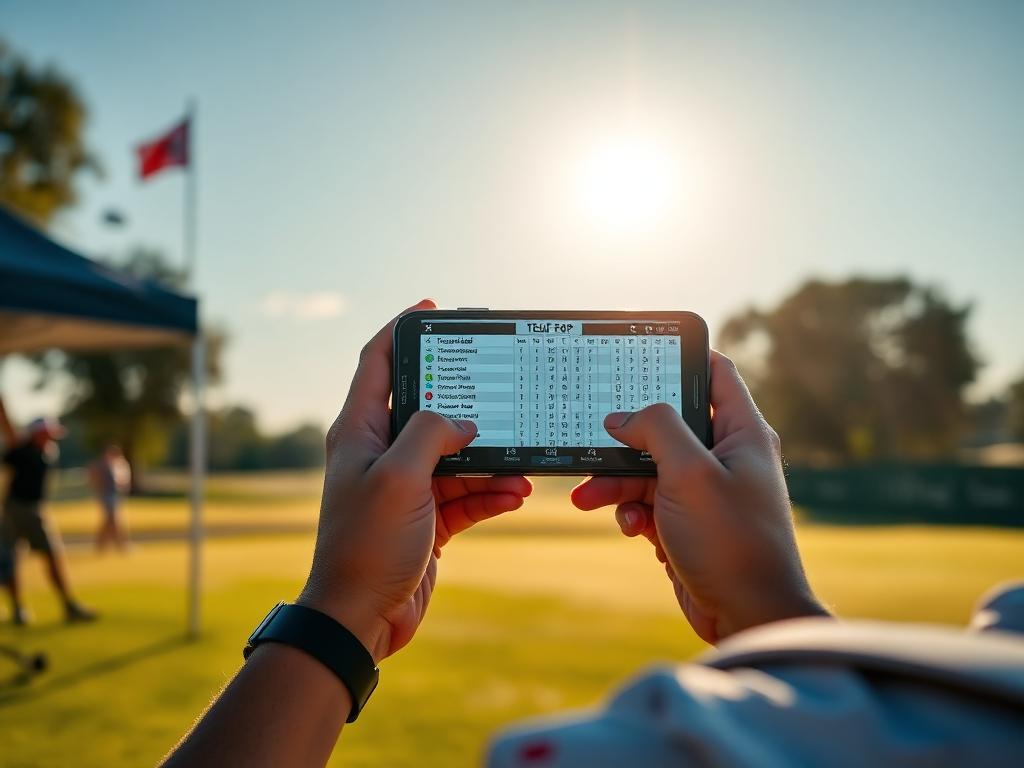
Junior golfers use multiple apps across practice and tournament play. Here is how tournament portals, launch monitors, and stat trackers fit together without losing critical data.
A competitive junior golfer typically navigates four to six separate golf applications every week. You check tee times on BlueGolf or Golf Genius, track launch numbers on a simulator, check yardages on a GPS app, and log scores in a handicap or stat portal.
Each tool is engineered for a specific function, but none of them communicate with each other. When data stays trapped in separate silos, you miss trends that directly impact tournament scoring and recruiting conversations.
Understanding what each platform does well—and where data slips through the cracks—lets you build a clean, repeatable feedback loop.
1. Tournament Portals (BlueGolf, Golf Genius, AJGA)
Tournament management platforms handle logistics and official scoring. Tours like the TJGT, NTPGA, and Legends Junior Tour run on BlueGolf, while many high school invitationals and national events run on Golf Genius.
What they do well
- Display verified hole-by-hole scores, course ratings, and slope.
- Provide field scoring averages, hole handicaps, and relative rank.
- Serve as the public record college coaches inspect during recruiting.
Where they fall short
Tournament apps record what happened, not why. A 5 on a scorecard does not show whether you missed a fairway by two feet, short-sided an approach from 140 yards, or three-putted from 40 feet. Relying solely on tournament portals leaves your performance review incomplete.
2. Launch Monitors and Simulators
TrackMan, Foresight GCQuad, and FlightScope apps capture delivery physics and ball flight during indoor practice and range sessions.
What they do well
- Measure precise carry distances, spin rates, launch angles, and club path.
- Identify dispersion patterns under controlled, non-variable conditions.
- Quantify changes during technical swing adjustments.
Where they fall short
Range numbers do not reflect tournament pressure, turf variability, slope, or wind. A player carrying a 7-iron 168 yards on an indoor mat often fails to translate that carry yardage to a downhill, into-the-wind approach from dormant fairway turf.
3. Dedicated Stat Loggers and Strokes Gained Apps
Platforms such as Decade, Arccos, or Shot by Shot focus entirely on performance analytics and decision-making.
What they do well
- Break performance down into Strokes Gained categories: Off-the-Tee, Approach, Around-the-Green, and Putting.
- Highlight exact distance brackets where you lose shots to your target peer group.
- Expose target selection and strategy mistakes versus execution errors.
Where they fall short
Stat platforms require manual input or sensor tags, creating friction. If you wait 24 hours after a tournament round to enter your shots, memory decay corrupts the data.
Where Data Gets Lost Between Systems
The biggest drop-off happens between tournament score verification and post-round analysis.
- The Yardage Gap: Range numbers recorded on a monitor are rarely calibrated against the actual pin sheets and weather conditions encountered during a tournament.
- The Scramble Gap: A player sees a low scrambling percentage on BlueGolf but forgets whether the misses were due to bad chip contact, poor target strategy, or missing 6-foot putts.
- The Time Delay: Players leave the scoring tent, check the live leaderboard, pack their bags, and never enter the raw shot data into their tracking platform.
Building a Practical Weekly Workflow
To keep your data actionable without spending hours on your phone, follow a simple three-step structure:
- During the Round: Keep your official paper scorecard and mark simple symbols in your yardage book (fairway direction, approach distance, first putt length).
- Within Two Hours Post-Round: Transfer your yardage book notes into your primary stat logging app while the shots are fresh.
- During Midweek Practice: Pull your bottom two Strokes Gained categories from your weekend rounds and structure your range and short-game stations specifically around those yardages and lies.
If you are competing in late-fall events like the HJGT Texas Fall Open in Houston (starts October 31, entries close October 26), managing this information efficiently ensures each tournament directly sharpens your next practice block.
Next Step This Week
Take your last two competitive tournament scorecards. Write down your exact approach distance, club used, and first putt distance for every bogey or worse you made, then log those specific yardages into your practice plan for this week.
Track your own numbers
Log every round hole by hole, import verified tour scores automatically, and send coaches a stat page that stays current.